
GHK-Cu
Frequently Bought Together

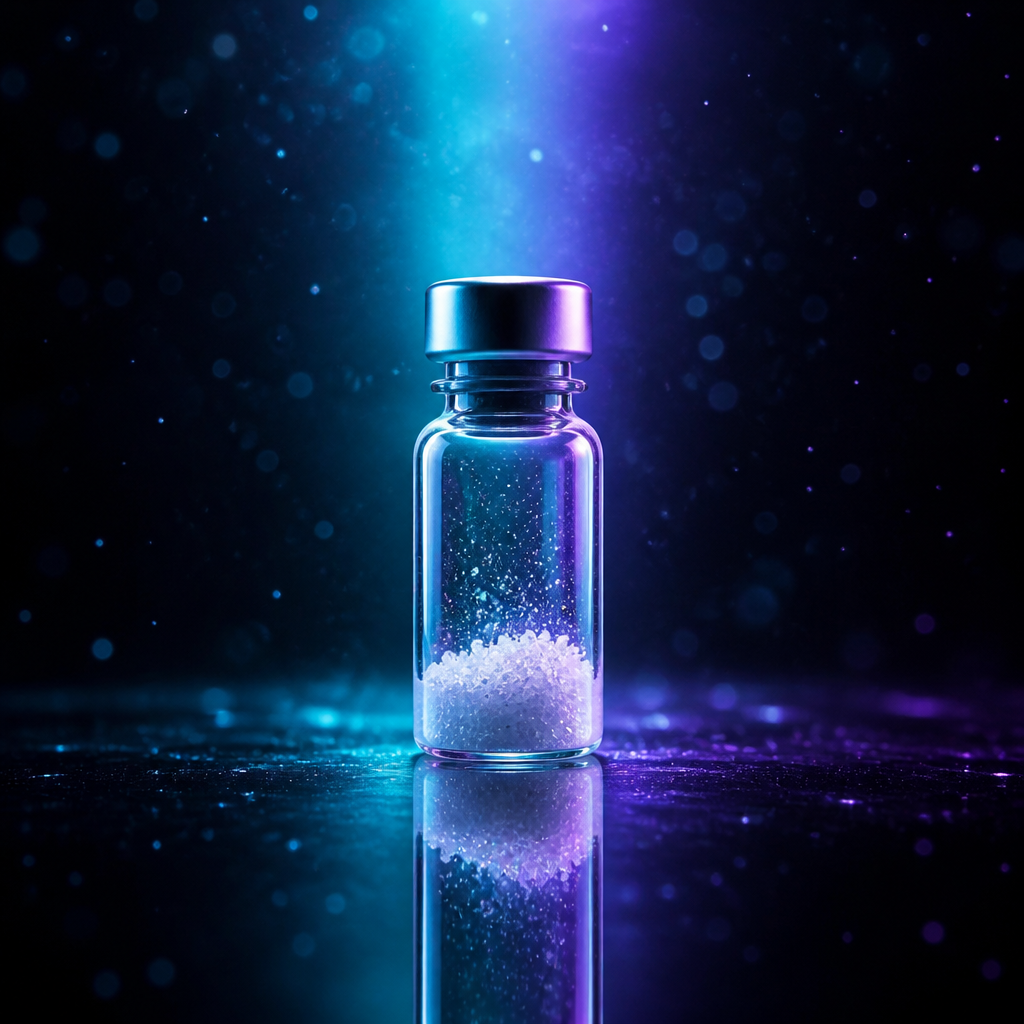


GHK-Cu by BeaCapra — premium research-grade compound verified to ≥99.0% purity via independent HPLC and LC-MS analysis.
Supplied as lyophilized (freeze-dried) powder in vacuum-sealed glass vials. Each batch undergoes rigorous third-party testing to ensure pharmaceutical-grade consistency and stability.
Specifications
- Purity: ≥99.0% (HPLC verified)
- Form: Lyophilized Powder
- Category: Cellular Health Research
- Storage: -20°C recommended, protect from light
Quality Assurance
Every BeaCapra product ships with a Certificate of Analysis (COA) documenting purity verification via HPLC and mass spectrometry. Our compounds are synthesized under strict GMP-adjacent protocols and undergo batch-level quality control.
For Research Use Only (RUO). Not intended for human consumption, therapeutic, or diagnostic use.
Research-Documented Benefits
- Collagen & Elastin Synthesis — GHK-Cu stimulates production of collagen types I and III, elastin, and proteoglycans, supporting structural integrity of connective tissue.
- Wound Healing — Demonstrated accelerated wound contraction and re-epithelialization in animal models, with improved tensile strength of healed tissue.
- Gene Expression Modulation — Genome-wide studies show GHK-Cu resets expression of approximately 4,000 human genes toward a healthier pattern, affecting DNA repair, antioxidant, and anti-inflammatory pathways.
- Anti-Inflammatory Action — Reduces pro-inflammatory cytokine levels (IL-6, TNF-alpha) while promoting anti-inflammatory mediators in tissue models.
- Stem Cell Attraction — Research indicates GHK-Cu attracts immune and stem cells to wound sites, enhancing the body's regenerative capacity.
Mechanism of Action
GHK-Cu is a naturally occurring tripeptide (Gly-His-Lys) with high affinity for copper(II) ions. It is found in human plasma, saliva, and urine, with circulating levels declining from ~200 ng/mL at age 20 to ~80 ng/mL by age 60.
Primary Pathways
- Copper Delivery — GHK-Cu delivers bioavailable copper to cells, activating copper-dependent enzymes including lysyl oxidase (collagen/elastin cross-linking), tyrosinase, and superoxide dismutase.
- Gene Expression Reset — Genome-wide analysis shows GHK-Cu modulates expression of approximately 4,000 human genes, shifting patterns toward tissue repair, anti-inflammatory, and anti-oxidant states.
- MMP Modulation — Regulates matrix metalloproteinase activity, promoting controlled extracellular matrix remodeling while preventing excessive tissue degradation.
- TGF-beta Signaling — Activates transforming growth factor beta pathways, stimulating fibroblast proliferation, collagen synthesis, and wound contraction.
GHK-Cu functions as a systemic signaling molecule whose concentrations naturally regulate the balance between tissue damage and repair throughout the lifespan.
Research Protocol Guidelines
All protocols described are for in vitro and in vivo research purposes only. Not for human use.
Reconstitution
Reconstitute lyophilized GHK-Cu with bacteriostatic water or sterile saline. For a 50 mg vial, adding 2 mL yields 25 mg/mL. The reconstituted solution will exhibit a characteristic blue color from the copper complex.
Research Dosing (Preclinical Literature)
- Topical applications: 0.01-1% GHK-Cu in cream or gel vehicles for wound healing and dermal studies
- Subcutaneous: 1-10 mg injected locally at wound sites or systemically in rodent models
- In vitro: 1-100 nM in cell culture for fibroblast, keratinocyte, and gene expression studies
- Iontophoresis: 0.5-2% solutions for transdermal delivery research
Storage
Store lyophilized form at -20°C protected from light. Reconstituted at 2-8°C, use within 14 days. The copper complex is susceptible to oxidation; minimize air exposure in vials.
Safety & Handling Information
For research use only. Not intended for human or veterinary diagnostic or therapeutic use.
Storage Requirements
- Lyophilized: -20°C, desiccated, protected from light and air
- Reconstituted: 2-8°C, use within 14 days
- Minimize oxidation of the copper complex
Preclinical Safety Profile
GHK-Cu is a naturally occurring human peptide with a well-documented safety profile. Topical application studies show no irritation, sensitization, or phototoxicity. Systemic administration in rodent models shows no organ toxicity at standard research concentrations.
Known Considerations
- Copper overload is possible with excessive dosing; monitor copper levels in chronic administration studies
- Gene expression modulation affects ~4,000 genes—consider potential interactions with concurrent gene therapy or expression studies
- Blue-green discoloration of injection sites may occur due to the copper complex
Handling
Standard laboratory PPE. Copper peptide solutions may stain skin and clothing. Dispose of copper-containing waste according to institutional heavy metal waste protocols.
Frequently Asked Questions
What is GHK-Cu and why does it contain copper?
GHK-Cu is a naturally occurring tripeptide (Gly-His-Lys) with strong affinity for copper(II) ions. The copper is integral to its biological activity, as GHK-Cu delivers bioavailable copper to cells, activating copper-dependent enzymes like lysyl oxidase (collagen cross-linking) and superoxide dismutase (antioxidant defense).
Why does the reconstituted solution appear blue?
The blue-green color comes from the Cu(II) complex absorbing red wavelengths of light. This is normal and indicates an intact copper-peptide bond. Loss of color may indicate copper dissociation and degradation of the active complex.
How does GHK-Cu differ from AHK-Cu?
Both are copper tripeptides, but GHK-Cu (Gly-His-Lys) has broader systemic research applications while AHK-Cu (Ala-His-Lys) shows enhanced specificity for dermal papilla and hair follicle targets. The alanine substitution alters receptor binding affinity without changing the copper transport function.
What is the significance of the 4,000-gene study?
Genome-wide analysis published in the journal Genomics demonstrated that GHK-Cu modulates expression of approximately 4,000 human genes. Notably, the direction of modulation consistently shifts gene expression toward patterns associated with younger, healthier tissue—suppressing inflammatory genes and upregulating repair and antioxidant genes.
Related formulas


Customer Reviews
Exceptional purity and fast shipping
Third-party COA verified at 99.1% purity. Arrived in 2 days with proper cold packaging. The documentation included was thorough and professional. Will be ordering again for our lab.
Best supplier I've found
After trying several suppliers, BeaCapra consistently delivers the highest quality compounds. The subscribe & save option is a great value, and their customer support team answered all my questions promptly.
Great product, COA checks out
Ran our own HPLC analysis and confirmed the purity claims. Packaging was secure and discreet. Only minor note — would love to see more size options for some of the newer compounds. Otherwise excellent.
Subscribe & save is the way to go
The 15% discount on subscription makes this the most competitive pricing I've found for research-grade compounds at this purity level. Auto-delivery every 30 days has been seamless. Highly recommend.
Exactly what our research team needed
We've been sourcing from BeaCapra for our university lab and the consistency batch-to-batch is impressive. Every order comes with a COA and the compounds are properly lyophilized. Professional operation all around.
Questions About GHK-Cu
General Questions
Everything you need to know about BeaCapra research peptides, ordering, shipping, and our commitment to quality.
Still have questions? Our research specialists are here to help.
Contact Us